
Hosein Pouriman, PhD, Packaging & Sustainability Expert ANZ
Sustainable Packaging Marketing: How to Tell Your Story Without Risk
In my advisory work, I often witness a friction point inside organisations. It sits right at the intersection of the technical packaging team and the marketing department.
The technical team has spent months engineering a mono-material pouch that reduces carbon emissions by 15% and is technically recyclable. They have the data. They have the specs.
The marketing team, however, finds "mono-material polyethylene" difficult to sell. They want to use words like "Planet Friendly," "Zero Waste" or "100% Green."
This tension creates two significant risks. The first is Greenwashing, where marketing over-promises and invites regulatory scrutiny. The second, which is becoming increasingly common, is Greenhushing. This is where brands are so terrified of stepping wrong that they say nothing at all, failing to get credit for their genuine investments.
Effective sustainable packaging marketing requires a middle path. It is about translating technical accuracy into a compelling narrative without losing the truth. Here is the strategic framework for doing just that.
Principle 1: Translate, Do Not Dumb Down
Consumers now are more educated on sustainability than ever before. They understand concepts like "recyclability" and "recycled content." You do not need to reduce your achievement to a vague buzzword.
The Mistake: Using terms like "Earth Friendly." This is meaningless.
The Strategy: Translate the technical win into a tangible benefit.
Technical Fact: "We switched from a multi-layer laminate to a monolayer LDPE."
Marketing Story: "We have redesigned this pack so it can finally join the recycling stream. It is simpler, smarter and ready for a second life."
This approach respects the consumer's intelligence and builds trust because it is specific.
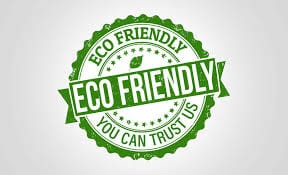
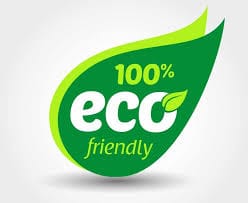
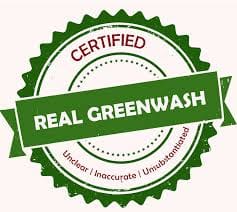
Examples of greenwashing claims in brands' packaging and ads.
Principle 2: The "Layered" Information Strategy
There is limited real estate on a package. Trying to explain a complex Life Cycle Assessment (LCA) on the back of a crisp packet is impossible and often leads to over-simplification errors.
The solution is digital connectivity.
The Strategy: Use the physical package for the headline claim and the call-to-action (e.g., the ARL). Then, use a QR code to take the interested consumer to a "deep dive" landing page.
Why it works: The ACCC and other regulators look favourably on this. It allows you to provide the nuance, the data sources and the full context that cannot fit on the label. It satisfies the casual shopper ("It is recyclable") and the skeptic ("Show me the data").
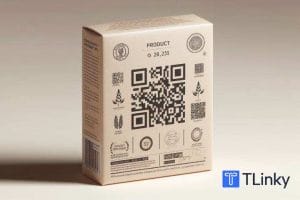
Example of incorporating QR Code on packaging for delivering layered information. (Image: TLinky)
Principle 3: Market the Journey, Not the Destination
Perfection is a myth in sustainability. There is no such thing as a "perfect" package; there is only a better package.
Brands often get into trouble when they present a solution as the end of the road. If you claim to have "Solved Waste," someone will find a flaw in your logic.
The Strategy: Frame your marketing as a progress report. Use language like "Our next step," "Working towards," or "Better than yesterday."
The Benefit: This is incredibly disarming. When a brand admits, "We are not perfect, but here is how we improved this bottle by 20%," it feels authentic. Consumers forgive imperfection; they punish hypocrisy.
Principle 4: Visual Consistency
Your design choices communicate as loudly as your copy.
If you have switched to a high-percentage Post-Consumer Recycled (PCR) plastic, the material might look slightly grey or have imperfections. Do not hide this behind a full-body shrink sleeve.
The Strategy: Lean into the aesthetic. Add copy that says, "This bottle looks a bit grey because it is made from 100% recycled plastic." You turn a visual defect into a badge of honour. This aligns the visual story with the verbal story.
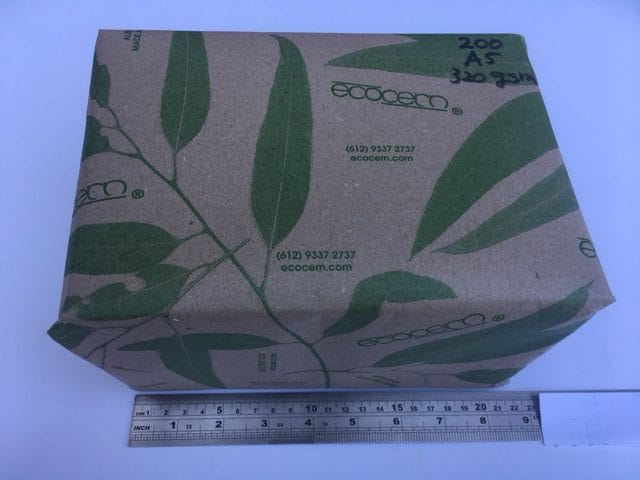
A5 cardboard using 100% post consumer recycled fibre. (Image: ecocern)
Marketing sustainable packaging is not about inventing a hero story; it is about reporting the facts with creativity.
When you strip away the hyperbole and focus on the tangible, technical improvements you have made, you build a brand voice that is resilient. You stop worrying about the regulator and start building a genuine connection with a consumer who just wants to know the truth.
Bridging the gap between technical data and creative marketing is a unique challenge. Circular Blueprint works with both your product teams and your brand teams to audit your messaging, ensuring your sustainability claims are compliant, substantiated and commercially powerful. Contact us today for a confidential consultation.
Is Your Strategy Ready for 2026?
Navigating the shifting regulatory landscape in Australia and New Zealand requires a plan, not guesswork. Download the free executive guide to:
- Master the new APCO targets.
- Optimise costs without sacrificing quality.
- Select the winning materials for the future.
Subscribe to our Email List
Get curated content delivered to your inbox.
No spams. Unsubscribe any time.


Expert packaging consultation focused on sustainability, compliance, and cost reduction for Australian and New Zealand businesses. Navigate complexity, achieve your goals.
Our Commitment
Helping Australian & NZ businesses achieve sustainable packaging goals, ensure regulatory compliance, and optimise costs for measurable results.
Circular Blueprint • NZBN 9429053436047
Privacy policy • Terms of service • All Rights Reserved