
Hosein Pouriman, PhD, Packaging & Sustainability Expert ANZ
Soft plastic recycling in New Zealand — how the Soft Plastics Recycling Scheme works (and what’s next)
Soft plastics — the scrunchable bags and wrappers from our groceries, courier satchels and product overwraps — are a persistent problem for landfill and the environment. Over the past few years, New Zealand’s Soft Plastics Recycling Scheme (run by The Packaging Forum under the “Love NZ / Soft Plastics” banner) has built a practical, industry-funded route to keep many of those materials out of landfill and turn them into useful products made here in Aotearoa. This post explains how the scheme works, what it accepts, its current limits and the opportunities ahead for councils, brands and businesses.
What the scheme actually is — the basics
The Soft Plastics Recycling Scheme is a voluntary, industry-funded product stewardship programme that provides “recycle-at-store” collection points (the green-and-white bins) at participating supermarkets and retailers. Households collect their soft plastic packaging, ensure it’s clean, empty and dry, and drop it at a participating store or drop-off point. The scheme covers common items such as grocery bags, bread bags, frozen food bags, bubble wrap, confectionery and biscuit wraps, courier envelopes and similar flexible packaging — basically anything that can be “scrunched into a ball”.
Quick practical rule: if you can scrunch it into a ball and it’s clean and dry, it’s usually accepted — but compostable/bioplastic bags and rigid plastics are excluded.
What happens to the plastic after you drop it off?
Collected soft plastics are baled, transported and sent to processors. In recent years New Zealand has developed onshore processing capacity: processors such as Future Post and saveBOARD (and other local recyclers) turn post-consumer soft plastics into products like fence posts, garden edging, cable covers and other building or agricultural products. The scheme pays processors a gate fee for each tonne they recycle, and members fund the end-to-end collection and processing service.
swipe right →
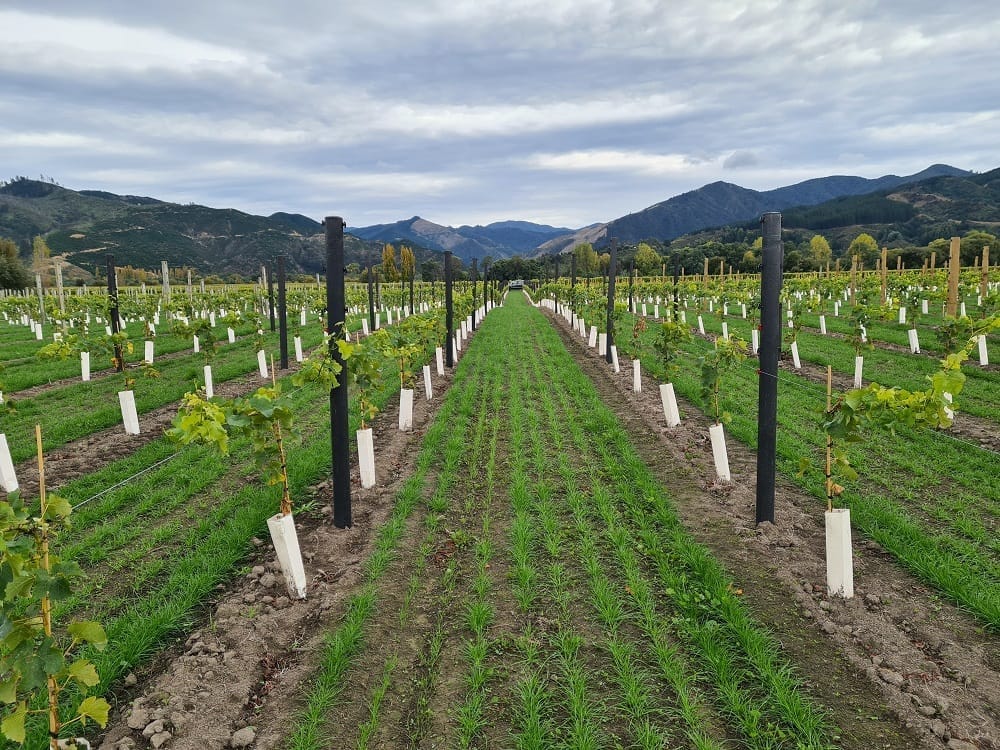
Posts used in agriculture made by Future Post
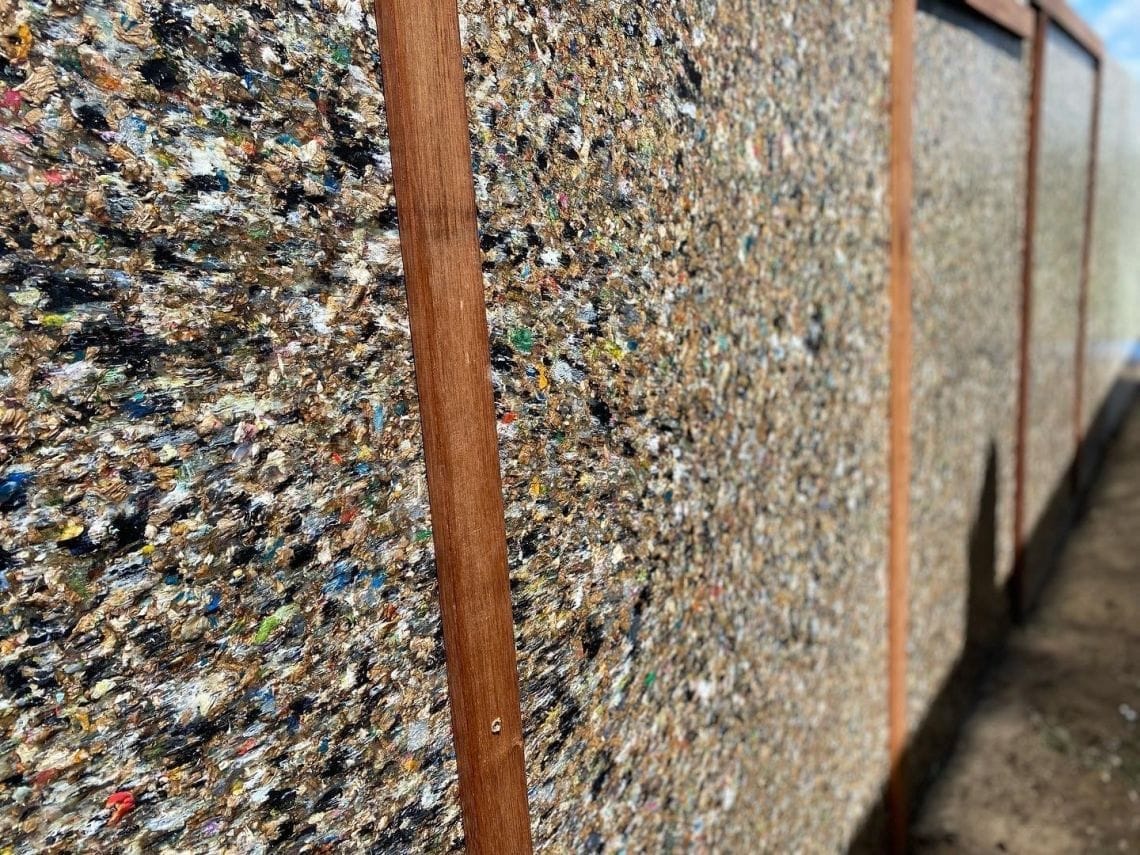
Recycled soft plastics being used by saveBOARD
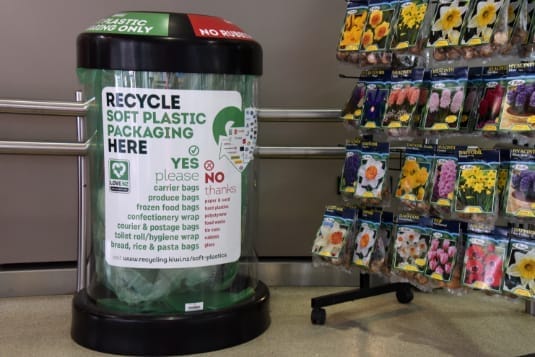
A typical soft plastic collection point in store.
Where you can drop off soft plastics
The scheme publishes a store-locator listing participating retailers (Countdown, New World, Pak’nSave, The Warehouse and selected other stores and drop-off partners). Coverage has expanded progressively around the country, but availability varies by region — always check the store locator before you travel with a big bag of plastics.
What the scheme does NOT accept (and why it matters)
No rigid plastics (yoghurt pots, containers) — these damage processing equipment and require a different recycling route. Councils have been expanding kerbside collection for rigid plastics; check your local council services for those items.
No compostable or plant-based “bioplastics” — these contaminate conventional plastic recycling and cannot be processed together.
No food-contaminated or wet materials — contamination can spoil whole bales, rendering them unrecyclable. Clean, empty and dry is the rule.
These practical limits are why clear labelling, public education and improved packaging design are essential if we want higher capture rates and better quality recycled material.
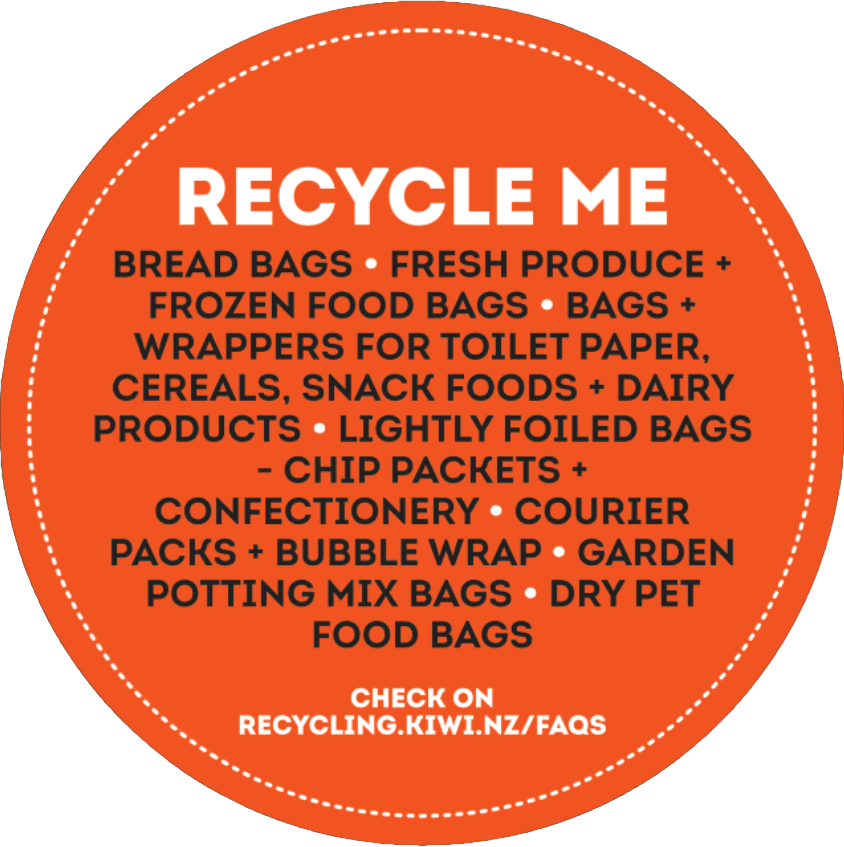
List of selected items accepted by the New Zealand SPR scheme
Strengths, ongoing challenges and recent developments
Strengths
The scheme provides a nationwide consumer-facing collection network and has helped create local end-markets (onshore processors), which shortens supply chains and keeps value local.
Challenges
Contamination and sorting are constant issues — wet or food-soiled plastics and incorrect items reduce yield and increase cost.
Capacity mismatch: public enthusiasm has sometimes outpaced processing capacity, meaning not all collected material can immediately be absorbed by local processors.
Where it's heading
Pilots and trials for expanded collection models (including kerbside trials) are being explored to improve access and capture rates; the broader national conversation about a Plastic Packaging Product Stewardship scheme could reshape how both soft and hard plastics are collected in future. Councils’ kerbside acceptance of rigid plastics is also evolving (notably with changes from early 2024 onward). These developments suggest a future where a mix of kerbside, store and commercial collections work together.
What brands and businesses should know
If you manufacture, brand or package products in soft plastic, there are clear ways to support the circular system:
Join the scheme / become a member — membership funds collection and processing, and gives you the right to use the “Recycle at store” label on packaging. Members can also access guidance on packaging design to make sure their materials are compatible with the programme.
Design for recyclability — minimise multi-material laminates, avoid compostable labels on conventional recycling streams, and work with suppliers to standardise polymer types where possible.
Buy recycled content — create demand for end-market products made from recycled soft plastics (fence posts, saveBOARD products, etc.). That demand closes the loop and helps stabilise price and capacity for processors.
Practical tips for households
1. Keep a labelled bag at home for soft plastics and empty/clean/dry items before dropping them off.
2. Don’t include compostable or bioplastic bags — they look similar but are processed differently.
3. Use the scheme’s store-locator before you make the trip.
4. When possible, favour brands using clearer “Recycle at store” labelling or brands that commit to recycled content.
Final thoughts — how this fits into a forward-thinking circular system
The Soft Plastics Recycling Scheme is a pragmatic, industry-led step toward keeping flexible packaging out of landfill and building local reprocessing capability. It’s not a silver bullet: material design, quality control, proper labelling, consumer behaviour and system scale all need to improve in parallel. For companies and councils, the next phase is integration — combining store collection with kerbside pilots, clear labelling (Australasian Recycling Label) and procurement policies that prefer products containing recycled feedstock.
If we align upstream packaging design with downstream processing and create stable demand for recycled output, soft plastics can become a valuable feedstock rather than an environmental headache. That’s the circular future worth building.
Making the right material choice requires a deep, technical understanding of the ANZ waste landscape. Circular Blueprint provides data-driven audits and strategic advice to help you select a packaging material that is truly sustainable, cost-effective, and right for your brand. Contact us today to navigate this complexity with confidence.
Resources of this topic:
Transcontinental Packaging
Is Your Strategy Ready for 2026?
Navigating the shifting regulatory landscape in Australia and New Zealand requires a plan, not guesswork. Download the free executive guide to:
- Master the new APCO targets.
- Optimise costs without sacrificing quality.
- Select the winning materials for the future.
Subscribe to our Email List
Get curated content delivered to your inbox.
No spams. Unsubscribe any time.


Expert packaging consultation focused on sustainability, compliance, and cost reduction for Australian and New Zealand businesses. Navigate complexity, achieve your goals.
Our Commitment
Helping Australian & NZ businesses achieve sustainable packaging goals, ensure regulatory compliance, and optimise costs for measurable results.
Circular Blueprint • NZBN 9429053436047
Privacy policy • Terms of service • All Rights Reserved