
Hosein Pouriman, PhD, Packaging & Sustainability Expert ANZ
The 2026 APCO Action Plan: A Strategic Guide for Australian Businesses
The deadline for Australia's 2025 National Packaging Targets has passed. For businesses across the country, the conversation has now shifted from "what are the targets?" to "how do we demonstrate continued progress in a post-2025 world?" The Australian Packaging Covenant Organisation (APCO) framework is moving into a new phase of maturity, demanding greater accountability, cleaner data and more sophisticated strategies.
In my experience guiding businesses through this process, I have observed that many view the annual APCO Action Plan as a complex administrative burden. It is often treated as a puzzle of data collection and box-ticking.
This is a missed opportunity.
A well-constructed Action Plan is not just a compliance document. It is a strategic roadmap. It allows a business to audit its current position, identify risks in its supply chain and unlock significant business value through smarter, more sustainable packaging. This article breaks down exactly what you need to do to build a robust and effective APCO Action Plan for 2026.
Step 1: Establishing Foundational Governance
Strong governance is the bedrock of any successful sustainability strategy. APCO is increasingly looking for evidence that sustainability is not just an afterthought but is integrated into core business operations.
Formalise Your Commitments: Your first step is to develop or update a formal strategy document for packaging sustainability. This should explicitly state your commitment to the Covenant and your internal goals.
Secure Executive Buy-In: For a plan to be effective, it must be signed off at an executive level. This demonstrates that accountability flows from the top down. In my analysis of successful APCO members, those with engaged leadership consistently outperform those without.
Internal Communication: Ensure your sustainability goals are communicated across all relevant departments -from procurement and marketing to product development and operations. Everyone needs to understand their specific role in the plan.
Step 2: Operationalising the Sustainable Packaging Guidelines (SPGs)
The Sustainable Packaging Guidelines (SPGs) are the central tool provided by APCO to assist businesses in designing better packaging. Your Action Plan must demonstrate how you are using them, not just that you are using them.
Conduct a Portfolio Review: Commit to reviewing a specific percentage of your existing packaging SKUs against the SPGs within the reporting year. Document these reviews thoroughly.
Integrate SPGs into Procurement: Update your procurement policies to include a requirement that all new packaging is evaluated against the SPGs before it is approved. This prevents non-compliant packaging from entering your supply chain in the first place.
Focus on the Principles: The SPGs are built around 10 key principles, including designing for recovery and optimising material efficiency. Your reviews should assess your packaging against each of these principles systematically.
Step 3: Mastering Data Collection
A successful Action Plan is built on accurate data. APCO requires detailed reporting on the packaging you place on the market. I cannot stress enough the importance of starting this process early.
Understand the Metrics: Familiarise yourself with the specific data points required for the 2026 reporting period. This includes material types, weights, recycled content percentages and recyclability status.
Establish Systems: You will need a reliable system to track the packaging data for every product. Whether this is a sophisticated ERP integration or a well-organised spreadsheet, consistency is key.
Engage Your Suppliers: Often, the best source of detailed packaging specifications is your packaging supplier. Work with them to obtain the accurate technical specifications you need.
Step 4: Setting Meaningful and Measurable Targets
Your Action Plan must be a plan for action. This means setting clear, measurable targets for the year ahead that align with the broader national goals.
Increase Recycled Content: Set a target to increase the average recycled content in your packaging portfolio. For example: "Increase average recycled content from 15% to 25% by the end of the financial year."
Improve Recyclability: Identify your top three most problematic packaging formats -such as those using composite materials or carbon black plastics- and create a plan to either phase them out or redesign them.
Implement the ARL: A key part of the framework is clear consumer communication. Commit to having the Australasian Recycling Label (ARL) applied to a certain percentage of your product range by a set date.
The Bottom Line: From Obligation to Opportunity
The APCO framework is evolving. With potential mandatory regulations on the horizon, simply being a member is no longer enough. A proactive, well-documented Action Plan is your best tool for ensuring compliance and meeting customer expectations.
By treating your 2026 APCO Action Plan as a strategic guide rather than a compliance exercise, you can turn your obligations into an opportunity to innovate, reduce costs and strengthen your brand's reputation in a market that increasingly values true sustainability.
Navigating the specifics of the APCO framework requires a deep understanding of the guidelines and reporting mechanisms. For businesses seeking to turn their Action Plan into a driver of value, a strategic review is the logical next step. If you would like to discuss how to optimize your APCO strategy for 2026, our door is open. Contact us today for a confidential consultation.
Resources of this topic:
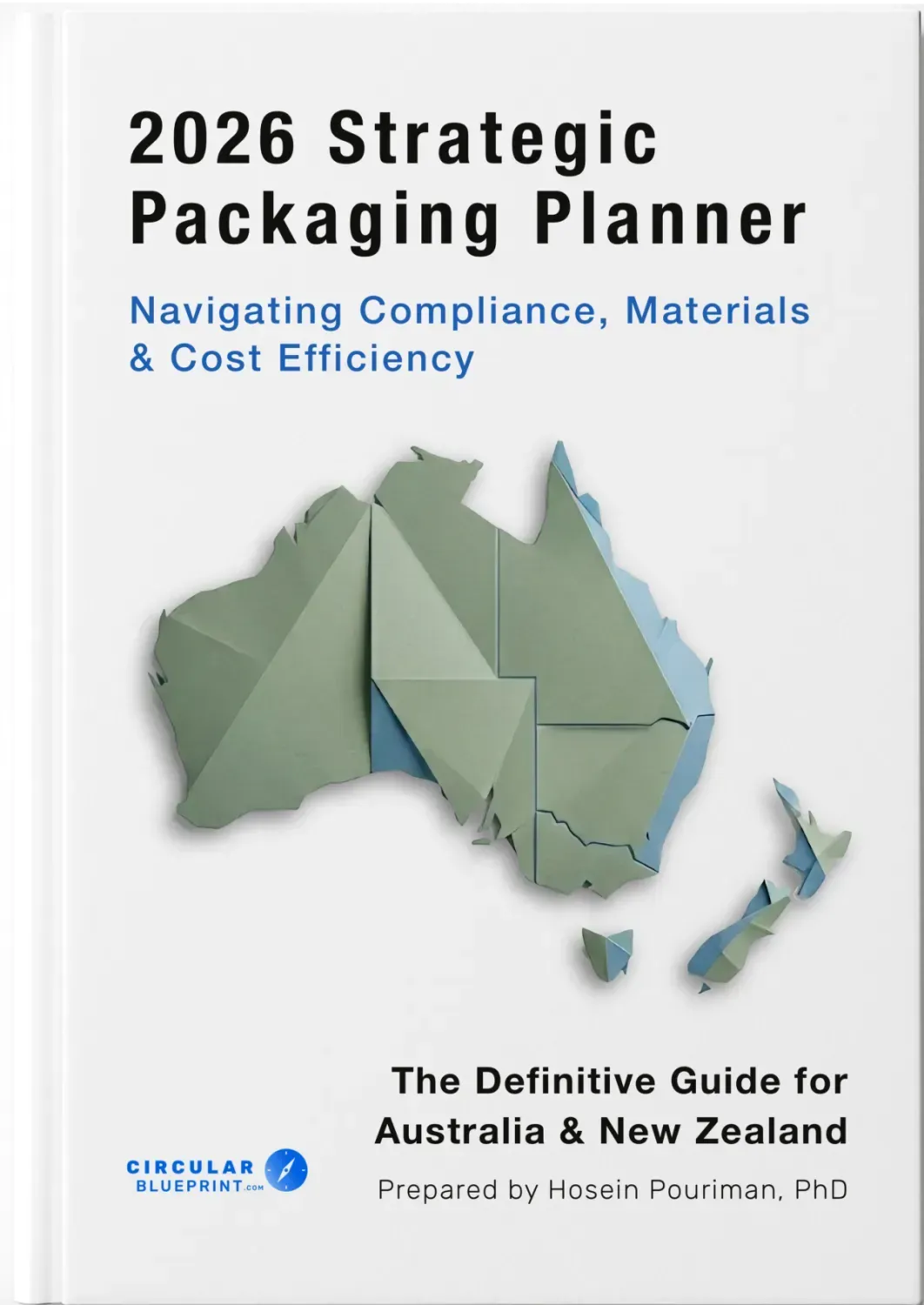
Is Your Strategy Ready for 2026?
Navigating the shifting regulatory landscape in Australia and New Zealand requires a plan, not guesswork. Download the free executive guide to:
- Master the new APCO targets.
- Optimise costs without sacrificing quality.
- Select the winning materials for the future.
Subscribe to our Email List
Get curated content delivered to your inbox.
No spams. Unsubscribe any time.


Expert packaging consultation focused on sustainability, compliance, and cost reduction for Australian and New Zealand businesses. Navigate complexity, achieve your goals.
Our Commitment
Helping Australian & NZ businesses achieve sustainable packaging goals, ensure regulatory compliance, and optimise costs for measurable results.
Circular Blueprint • NZBN 9429053436047
Privacy policy • Terms of service • All Rights Reserved